

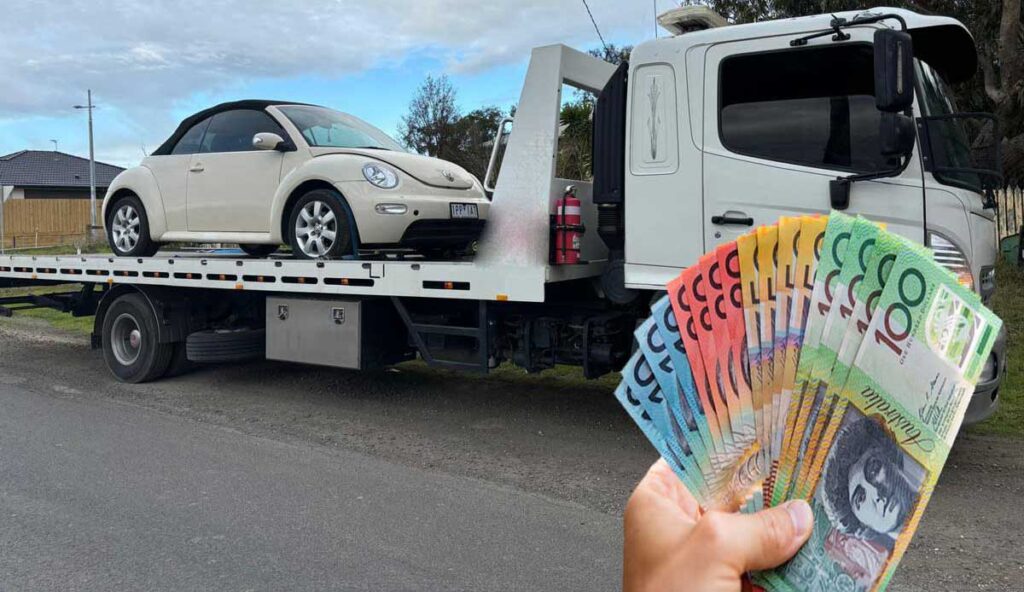
When a cash-for-cars company collects your vehicle, it does not necessarily go straight to a crusher. The car is generally assessed to determine whether it can remain in use, provide reusable parts or be processed for recoverable materials.
Its next destination can depend on its age, condition, completeness, repair viability and demand for its components. The buyer’s business model also matters. Some companies dismantle vehicles themselves, while others send them to specialist automotive or metal-processing facilities.
Understanding these possibilities can help you choose a responsible buyer, complete the transaction correctly and protect yourself after the tow truck leaves.
The Short Answer: Your Car May Be Reused, Dismantled or Recycled
An unwanted vehicle may follow one or more of these pathways:
| Vehicle assessment | Possible next step |
| Repairable with sufficient remaining value | Repair or complete-vehicle reuse |
| Unsuitable as a complete vehicle but useful for parts | Dismantling and component recovery |
| Severely damaged or with limited parts demand | Depollution and material recovery |
| A mixture of useful and unusable components | Parts recovery followed by processing of the shell |
These pathways can overlap. A company may recover useful components before sending the remaining steel, aluminum, copper and other materials to appropriate processors.
Reusing a complete car or component is different from recycling its raw materials. The exact outcome depends on the vehicle and the company handling it.
What Happens at Collection and Handover?
Before collecting the car, the buyer may confirm its make, model, year, registration number, Vehicle Identification Number and visible condition. The driver may also check whether the vehicle starts, rolls and steers and whether its major components are present.
The condition at collection should reasonably match the details used to prepare the quote. Removing an engine, catalytic converter, wheels or another valuable component after accepting an offer could result in a revised price.
Before the vehicle leaves, confirm:
- the final agreed amount;
- how and when payment will be made;
- whether collection is included;
- the buyer’s correct business details;
- which keys and documents are included;
- what receipt or transaction record you will receive.
Keep a record identifying the vehicle, buyer, sale amount and handover date. Do not allow the vehicle to leave until the payment arrangements and transaction details are clear.
Remember Your Tasmanian Registration Responsibilities
Physical collection does not necessarily complete every registration requirement.
Transport Services Tasmania advises sellers to submit a notice of disposal within seven days of selling or relinquishing responsibility for a vehicle. Sellers do not receive automatic confirmation when the notice is processed.
After allowing time for processing, you can contact Service Tasmania to check that the vehicle is no longer listed under your name. You should also clarify what will happen to the number plates.
Refer to the current Tasmanian Government vehicle-selling guidance rather than relying only on informal advice.
How Does the Company Decide What Happens to the Car?
A buyer may consider several factors before choosing the most practical pathway:
- structural and mechanical condition;
- collision or corrosion damage;
- cost and practicality of repairs;
- make, model and age;
- demand for reusable parts;
- whether major components are present;
- registration or written-off status;
- recoverable material value.
A vehicle with manageable damage may still have potential as a complete car. If complete reuse is impractical, useful components may be removed and assessed individually.
Possible reusable parts include engines, transmissions, starter motors, alternators, panels, mirrors, lights, wheels and electronic modules. However, not every removed component is suitable for another vehicle. Its condition, identity, demand and potential safety implications must be considered.
When repair and parts recovery are limited, depollution and material processing may be the most practical route.
What Happens When a Car Is Dismantled?
Dismantling involves more than removing valuable parts and crushing the remaining body. The exact process varies, but it can include three main stages.
1. Fluids and Potentially Hazardous Components Are Addressed
A vehicle may contain fuel, engine oil, transmission fluid, brake fluid, coolant, refrigerant and a lead-acid or high-voltage battery. These materials should not be allowed to leak into soil, drains or stormwater.
Hybrid and electric vehicles require additional care because their high-voltage systems can create electrical, chemical and fire risks. Always tell the buyer that a vehicle is hybrid or electric before arranging collection.
2. Suitable Parts Are Recovered
Components with potential value may be removed, identified and assessed. Some may be suitable for reuse, while others could be rebuilt or processed for their materials.
Parts recovery can help keep other vehicles operating and may reduce demand for newly manufactured components. However, damaged, badly worn or uneconomical parts may not be suitable for reuse.
3. The Remaining Shell Is Processed
Once useful parts and separately managed materials have been removed, the remaining body may be compacted or crushed for storage and transport.
Specialist processors can separate ferrous metals, such as steel, from certain non-ferrous materials, including aluminum and copper. Recovered materials may then become inputs for new products.
Not every material is equally easy to recycle. Mixed plastics, foams, adhesives and contaminated residue may require further processing or disposal. Be cautious of unsupported claims that every vehicle is recycled completely.
What Happens to the Main Parts and Materials?
| Part or material | Possible destination |
| Engine and transmission | Reuse, rebuilding, parts recovery or metal processing |
| Alternator, starter and lights | Testing and reuse or material recovery |
| Panels, mirrors and wheels | Used-parts inventory when suitable |
| Battery | Separate collection and specialist processing |
| Hybrid or EV battery | Specialist assessment and appropriate battery processing |
| Catalytic converter | Recovery of valuable metals |
| Fuel, oil and coolant | Controlled recovery, treatment or disposal |
| Steel body | Metal processing and recycling |
| Aluminum and copper | Separation and material recovery |
| Mixed residual material | Further processing or appropriate disposal |
These are possible industry pathways, not a guarantee of how every buyer handles every component.
Is Every Car Crushed?
No. Selling a car to a cash-for-cars company does not automatically mean it will be crushed.
A repairable vehicle may remain in use. A damaged vehicle may first supply useful components. Crushing is generally relevant to the remaining shell after decisions about complete-vehicle reuse and parts recovery have been made.
If the outcome matters to you, ask whether the car may be repaired, resold, dismantled or sent to another processing facility. A transparent buyer should be able to discuss its process without relying only on broad phrases such as “eco-friendly disposal”.
What Should You Do After Collection?
Complete these steps after the vehicle has been collected:
- submit the Tasmanian notice of disposal within the required period;
- retain the quote, receipt and payment evidence;
- keep the buyer’s name and contact details;
- record the registration number, VIN and handover date;
- retain photographs of the vehicle at collection;
- check that the vehicle is no longer recorded under your name;
- update relevant insurance, toll or parking accounts.
Before collection, also remove personal property and stored information, including:
- toll tags and garage remotes;
- private registration or service documents;
- USB drives and dashcam memory cards;
- paired mobile phones;
- saved contacts and call history;
- navigation history and stored addresses;
- connected application or infotainment accounts.
Where possible, follow the manufacturer’s instructions for deleting user profiles and restoring the infotainment system to its factory settings.
How to Choose a Responsible Cash-for-Cars Company
Look beyond the advertised price. A responsible buyer should provide:
- a traceable business name and contact details;
- a clear offer and payment arrangement;
- an explanation of collection costs;
- a receipt or sale record;
- reasonable proof-of-ownership checks;
- clear answers about registration responsibilities;
- an explanation of how vehicles, fluids and batteries are handled.
Be cautious if a buyer refuses to identify the purchasing business, will not provide a transaction record, changes the offer without explanation or pressures you to release the car before payment is clear.
Before accepting an offer, ask whether collection is included, what could change the price, how you will be paid and what documentation you will receive.
Before the Tow Truck Leaves: Final Checklist
Confirm that:
- the agreed payment or payment arrangement is verified;
- the buyer’s details are recorded;
- the receipt identifies the correct vehicle;
- the handover date is recorded;
- plate and disposal-notice responsibilities are clear;
- personal belongings and data have been removed;
- missing or excluded parts were disclosed;
- you have retained relevant photographs and messages.
Selling an Unwanted Car in Hobart or Southern Tasmania
When requesting an assessment, provide the vehicle’s make, model, year, location, registration status and known damage. Tell the buyer whether it starts, rolls and steers and whether any major components are missing.
Clear photographs and accurate access information can help the buyer assess the vehicle and plan collection.
Tas Auto Parts is located at 118 Cove Hill Road, Bridgewater TAS 7030.
To discuss your vehicle:
- Call 0438 196 492
- Email tassie.ar@gmail.com
- Visit www.tasautoparts.com.au
Confirm the offer, collection arrangements, payment method and required documents before booking.
Frequently Asked Questions
Possibly. The outcome depends on its condition, legal status, repair viability and the buyer’s business model. Ask before selling if this matters to you.
The correct arrangement depends on the vehicle’s registration circumstances. Confirm it with the buyer and follow current Tasmanian Government guidance.
Discuss excluded parts before accepting the offer. Removing a component afterwards may change the vehicle’s assessed value.
These fluids may need to be drained and managed separately before dismantling or material processing. Ask the buyer about its procedures.
Transport Services Tasmania states that it must be submitted within seven days of the sale.
Ask the buyer whether the vehicle may be reused, dismantled for parts or processed for materials. The final decision may not be possible until it has been inspected.
An unwanted vehicle may remain useful as a complete car, supply components for other vehicles or become a source of recoverable materials.
Protect yourself by providing accurate information, confirming payment and paperwork, removing personal data and completing Tasmania’s disposal requirements.
To request an assessment from Tas Auto Parts, call 0438 196 492, email tassie.ar@gmail.com, or visit www.tasautoparts.com.au.