

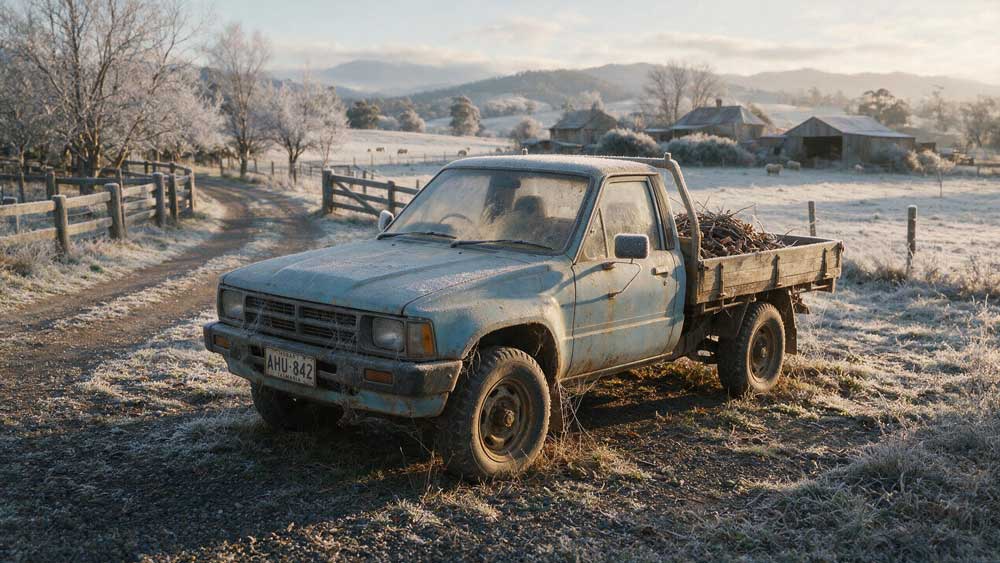
Yes, you can generally sell a damaged, unregistered or non-running car in Hobart. The vehicle does not have to be roadworthy for someone to buy it. However, you must own the vehicle or be authorized to sell it, describe its condition honestly and complete the applicable Tasmanian disposal requirements.
The best-selling method will depend on whether the car is repairable, how easily it can be moved and whether its registration is current. Understanding those differences can help you avoid unnecessary repairs, transport costs and paperwork problems.
The Short Answer: These Vehicles Can Usually Be Sold
A vehicle may still have value when it is damaged, has expired registration or will not start. That value may come from its potential for repair, reusable parts or recyclable materials.
Tasmanian Transport Services says a seller must be the vehicle’s registered operator or otherwise authorized to sell it. Sellers should also keep an accurate record of the buyer, vehicle, price and date of sale.
Registration status, ownership and roadworthiness are separate issues. Expired registration does not automatically prevent a sale, but it does mean the car cannot simply be driven to a buyer for handover.
What Changes When the Car Is Damaged, Unregistered or Non-Running?
These descriptions are sometimes used interchangeably, but they identify different problems. One vehicle may also fit two or all three categories.
Vehicle Condition Comparison
| Vehicle condition | Main issue | What to prepare | Practical consideration |
| Damaged | Physical or mechanical condition | Clear photographs and an honest fault description | Repair value compared with as-is value |
| Unregistered | Registration has expired or been cancelled | Ownership or authority evidence and vehicle identifiers | Safe, lawful transport for handover |
| Non-running | Vehicle cannot start or move normally | Details about keys, wheels, steering and access | Appropriate towing or collection equipment |
Selling a Damaged Car
Accident damage, engine trouble and worn components do not automatically make a vehicle unsaleable. A lightly damaged car may attract a private buyer who intends to repair it. A vehicle with severe damage or major mechanical failure may be more suitable for a wrecker, recycler or specialist damaged-car buyer.
Be specific about known faults. Include photographs of every side, the interior, engine bay and damaged areas. Honest information helps a buyer assess the car before collection and reduces the chance of a disputed or revised offer.
Accident damage is not the same as a formal written-off classification. If a vehicle has been recorded as written off, check its status and the current Tasmanian requirements before agreeing to a sale.
Selling an Unregistered Car
You generally do not need to renew expired registration solely to sell a car. You still need to show that you own it or have authority to sell it and provide enough information to identify the vehicle.
An unregistered vehicle must not be driven on public roads simply for an inspection or handover. Arrange lawful transport or ask whether the buyer can collect it.
Depending on whether the registration expired or was cancelled, separate instructions may apply to the number plates.
Selling a Non-Running Car
A car that will not start can still be sold, but the buyer needs an accurate description of its condition and location. Explain whether the wheels roll, the steering unlocks, the tires hold air and the keys are available.
Access also matters. Tell the buyer if the vehicle is in a narrow driveway, underground car park, workshop, paddock or behind another vehicle. These details help determine which collection equipment is required and whether an access problem could affect the quoted amount.
What Do You Need Before Selling the Vehicle?
Preparing the right information can make quotes more accurate and the handover easier.
Vehicle Sale Preparation Checklist
- Proof that you own or are authorized to sell the vehicle
- Photo identification
- Make, model and year
- Registration number, if applicable
- VIN or chassis number
- Odometer reading
- An accurate description of damage or mechanical faults
- Photographs of the exterior, interior and affected areas
- Keys, service records and receipts that are still available
- Exact pickup location and access details
Missing service records or a spare key may not prevent a sale, but they should be disclosed.
For more information, read What Documents Do I Need to Sell My Car in Tasmania?.
Should You Repair the Car or Sell It As-Is?
Repairing a car only makes financial sense when the likely increase in its sale price comfortably exceeds the full cost of the work.
Include diagnostic charges, replacement parts, labour, towing, registration, insurance and advertising when comparing the options.
Selling as-is may be more practical when:
- The vehicle cannot be driven safely.
- The repairs approach its likely market value.
- Registration and insurance would need to be renewed.
- The car needs to be removed promptly.
- Its condition makes private inspections difficult.
Repairs may be worthwhile when the fault is minor, the vehicle is otherwise in good condition and there is strong demand for that particular model.
Before approving expensive work, obtain an as-is quote and compare it with a realistic repaired sale value. This turns the decision into a comparison of actual figures rather than guesswork.
How Is a Damaged or Non-Running Car Valued?
There is no single standard price for a damaged vehicle. A buyer may consider:
- Make, model and year
- Odometer reading
- Type and extent of the damage
- Overall completeness of the vehicle
- Demand for reusable components
- Current value of recoverable materials
- Whether the engine or major assemblies remain usable
- Availability of keys and service records
- Vehicle location and collection access
Give every buyer the same accurate details when comparing offers. Ask whether towing, administration or collection costs will be deducted.
The most useful comparison is the net amount you will receive, not the largest headline figure.
How to Sell Your Car in Five Practical Steps
Step 1: Confirm Your Authority to Sell
Make sure you are the vehicle’s registered operator or otherwise have clear authority to act for the owner.
Step 2: Record the Vehicle’s Condition
Note the vehicle’s identifiers, known faults, registration status and collection access. Take current photographs that show its overall condition and any damaged areas.
Step 3: Request and Compare Offers
Ask what each offer includes, whether collection costs apply and what circumstances could cause the quoted amount to change.
Step 4: Agree on the Handover
Confirm the price, payment method, paperwork and collection time before the vehicle is moved.
Step 5: Keep Records and Complete the Disposal
Retain a receipt or written sale record and follow the current Tasmanian disposal and number-plate requirements.
Do not attempt to drive an unsafe or unregistered vehicle simply to make the sale easier. A suitable car removal service in Hobart may be the safer option for a vehicle that cannot be driven lawfully.
What Should You Do After the Vehicle Is Sold?
Create or retain a written record containing:
- Buyer’s name and contact details
- Agreed price
- Date of sale
- Registration number, if applicable
- VIN or chassis number
- Make and model
- Signatures or other confirmation of the transaction
Remove personal belongings, toll tags and any personal information stored in the vehicle’s infotainment or navigation system.
Under current Tasmanian Transport Services guidance, a Notice of Disposal must be submitted within seven days of the sale. Once processed, the seller’s name is removed from the registration record for registration responsibility.
If registration is being cancelled, check the current Service Tasmania instructions concerning number plates and any potential refund for unused registration.
Contact Service Tasmania if the disposal has not been recorded correctly.
Get a Quote for Your Unwanted Car in Hobart
Tas Auto Parts buys old, damaged, non-running and wrecked vehicles in Hobart.
To request a no-obligation quote, have the following information ready:
- Vehicle make, model and year
- General condition
- Known damage or mechanical faults
- Registration status
- Pickup location
- Vehicle access details
- Current photographs
Call 0438 196 492, email tassie.ar@gmail.com or use the Tas Auto Parts contact form.
Tas Auto Parts is located at 118 Cove Hill Road, Bridgewater TAS 7030.
Frequently Asked Questions
Generally, yes. You must own the vehicle or be authorized to sell it and complete the applicable disposal requirements. Arrange lawful transport rather than driving an unregistered vehicle to the buyer.
Yes. Tell the buyer why it does not run, if known, and whether it rolls, steers and has keys. Accurate access information will help the buyer plan suitable collection.
No. A damaged vehicle may be sold in its current condition. Compare the complete repair cost with the likely increase in sale value before deciding whether repairs are worthwhile.
Prepare photo identification, proof that you own or are authorized to sell the vehicle, its registration number if applicable, VIN or chassis number and a written record of the transaction. Additional requirements can depend on the vehicle’s registration and recorded status.
Special requirements may apply to a vehicle recorded as written off. Check its recorded status and consult the current Service Tasmania written-off vehicle guidance before completing the transaction.