

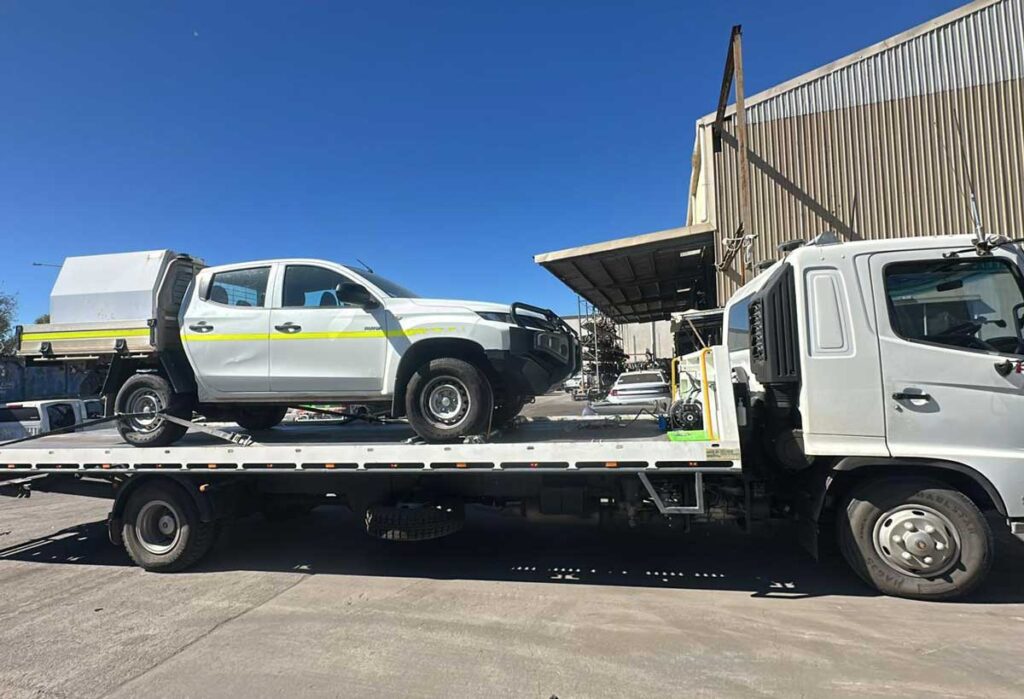
Choosing between car removal and a private sale is not simply about finding the highest advertised price. The better option depends on your vehicle’s condition, how quickly you want it gone, the work you are willing to do and the costs required to complete the sale.
Selling privately may produce a higher price for a registered, roadworthy and presentable car. Car removal may be more practical for a damaged, unregistered or non-running vehicle—or when a predictable, lower-effort outcome matters more than pursuing the maximum possible price.
The most useful comparison is therefore the likely net return, not just the first offer or asking price.
The Short Answer: Match the Method to the Vehicle
Private selling may suit a mechanically reliable vehicle with broad buyer demand. You control the asking price and can market the car directly to its next owner, but you must prepare it, advertise it, answer inquiries, arrange inspections and negotiate.
Car removal may suit vehicles that are difficult to sell through a conventional advertisement. This can include cars with accident damage, major mechanical problems, expired registration or transport complications.
Consider five factors before deciding:
- Your vehicle’s present condition
- Its likely demand among private buyers
- The costs required to prepare it
- How much time and effort you can invest
- Whether the vehicle needs to be collected
Car Removal vs. Private Sale at a Glance
| Factor | Car removal | Private sale |
| Potential return | Based on the buyer’s valuation of the vehicle | May be higher for a desirable, roadworthy car |
| Completion time | May be relatively quick after terms and collection are confirmed | Unpredictable and dependent on finding a committed buyer |
| Seller workload | Usually requires vehicle details and access arrangements | Requires preparation, advertising, inquiries, inspections and negotiation |
| Suitable condition | May suit damaged, old, unregistered or non-running vehicles | Generally easier for presentable, driveable vehicles |
| Transport | Collection may be available, depending on the provider | A non-running vehicle may need separate transport |
| Negotiation | Usually based on one direct offer | May involve repeated negotiations |
| Certainty | Greater once the offer, payment and collection terms are confirmed | The listing may not result in a completed sale |
Confirm the complete terms before accepting either option, including payment, collection, fees and any conditions that could affect the offer.
When Selling Privately May Be Better
A private sale is worth considering when your car still appeals to everyday drivers.
It may be a suitable candidate if it is:
- Registered and roadworthy
- Mechanically reliable
- Clean and presentable
- Supported by maintenance records
- A popular make and model
- Free from serious accident damage
- Easy to inspect and test-drive
You can research similar Hobart listings, choose an asking price and negotiate directly with buyers. If the vehicle is in demand, this additional work could produce a better result.
However, an asking price is not the same as a completed selling price. Buyers may negotiate, miss appointments or withdraw after inspecting the car. You may also need to clean it, take photographs, write an accurate advertisement and respond to numerous questions.
Private selling is most attractive when the possible price advantage reasonably compensates you for that work and uncertainty.
When Car Removal May Be Better
Car removal becomes more practical when the vehicle’s condition limits its private market.
Consider investigating it if the car is:
- Unsafe or unable to be driven
- Unregistered
- Accident-damaged
- Affected by a serious mechanical fault
- Worth less than the repairs needed to prepare it
- Occupying space you need to clear
- Unlikely to attract many private buyers
A failed engine provides a useful example. The vehicle may still have value, but a private buyer must be willing to assess a non-running car and arrange transport. A removal provider may consider its reusable parts or recoverable materials instead.
Provider terms differ. Before proceeding, confirm whether the vehicle is accepted, whether collection is available at your Hobart-area location and whether transport affects the amount you receive.
Compare Net Return Instead of Headline Price
A private buyer may offer more than a removal provider, but that does not automatically make private selling the better financial option.
Use this framework:
Private-sale net outcome = final selling price − preparation, repair, advertising and transport costs − the personal value of your time
The value of your time is a personal consideration, not a formal charge. One owner may be happy to spend several weekends preparing and showing a car. Another may prefer a more direct transaction.
Potential private-sale costs include:
- Mechanical or cosmetic repairs
- Cleaning and detailing
- Replacement parts
- Advertising upgrades
- Transport for an unroadworthy car
- Time spent answering inquiries
- Unsuccessful inspections and negotiations
Avoid paying for major repairs solely to raise the selling price without first estimating whether the likely increase will exceed the cost.
A car-removal quote can serve as a useful comparison point. It allows you to compare a direct offer with the realistic proceeds and workload of selling privately.
Time, Convenience and Certainty
A conventional private sale can involve several stages:
- Researching comparable vehicles
- Preparing and photographing the car
- Publishing the advertisement
- Answering calls and messages
- Screening potential buyers
- Arranging inspections or test drives
- Negotiating and confirming payment
- Completing the handover
There is no guaranteed timeline. A presentable vehicle at a realistic price might sell promptly, while an unusual, damaged or overpriced car may remain advertised for weeks.
Car removal generally involves fewer seller-managed stages, although the exact process varies. You commonly describe the vehicle, receive an assessment, consider the offer and confirm payment and collection arrangements.
A higher but uncertain target price may suit one owner. A clearly documented offer with fewer steps may suit another.
Which Option Suits Your Car?
| Vehicle situation | Option to consider first | Reason |
| Registered, reliable and presentable | Private sale | Broad buyer demand may support a higher price |
| Late-model car with service records | Private sale or specialist buyer | Its condition and history may appeal to an end user |
| Older but driveable, low-value car | Compare both | The price difference may not justify extensive effort |
| Accident-damaged car | Removal provider or specialist buyer | Repairs and transport may limit private demand |
| Non-running car | Car removal | Collection may resolve the transport problem |
| Unregistered car | Compare both carefully | Buyer demand and transport options may be restricted |
| Rare, modified or collectible vehicle | Specialist private market | An enthusiast may recognize its particular value |
| Vehicle with finance or unclear ownership | Resolve the issue first | You need clear authority to complete the transaction |
These are decision prompts rather than valuations. The actual result depends on the vehicle, market demand and the buyer’s terms.
Information to Prepare for a Car-Removal Quote
Complete and accurate details help a buyer assess the vehicle and reduce the risk of the offer changing after inspection.
Prepare:
- Make, model and year
- Odometer reading
- Registration status
- Mechanical condition
- Known accident or body damage
- Details of missing parts
- Whether the car starts, rolls and steers
- Clear exterior, interior and damage photographs
- Vehicle location
- Access conditions for collection
- Proof that you are authorized to sell it
Describe faults honestly. If important information is missing or inaccurate, the initial assessment may no longer reflect the vehicle presented.
Complete a Safe and Orderly Handover
Before selling privately or using a removal service:
- Confirm the buyer’s identity and contact information.
- Agree on the price and payment method.
- Keep a written record of the transaction.
- Remove personal belongings and toll devices.
- Delete saved addresses, contacts and other personal data.
- Gather all keys and relevant documents.
- Confirm how registration, plates and disposal paperwork will be handled.
- Do not hand over the vehicle until the agreed payment conditions are met.
- Resolve outstanding finance or ownership issues first.
Check current requirements with the appropriate Tasmanian authority. Registration and disposal procedures can change, and the steps may depend on the vehicle’s circumstances.
Discuss Your Vehicle with Tas Auto Parts
If car removal appears to suit your situation, contact Tas Auto Parts with the car’s make, model, year, condition, registration status and location. Clear photographs may also help the initial discussion.
Tas Auto Parts is located at 118 Cove Hill Road, Bridgewater TAS 7030.
Call 0438 196 492 or email tassie.ar@gmail.com to discuss your vehicle and ask which options are currently available.
Frequently Asked Questions
No. A private sale may bring a higher price for a desirable, roadworthy car, but repairs, preparation, advertising and time can reduce the difference. Compare the likely net outcome of both methods.
Collection may be possible, but it depends on the provider, location and access. Explain whether the vehicle starts, rolls or steers before accepting an offer or booking.
An unregistered vehicle may be sold, but its transport and paperwork require care. Confirm current Tasmanian requirements and disclose the registration status clearly.
Contact the finance provider, obtain the payout information and follow its instructions before attempting to transfer or hand over the vehicle.
Yes, when practical. Compare more than the dollar amount: consider transport charges, payment arrangements, timing and any conditions that could change the final return.